
IVF grants for the Cystic Fibrosis community.
Cystic Fibrosis is a genetic disease that often makes IVF the only path to parenthood. We founded the Fox Family Foundation to remove the financial barrier, drive awareness and education, and build a community so no one goes through it alone.




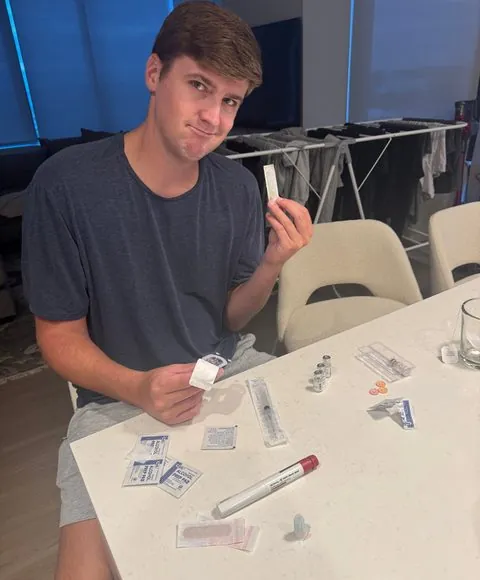
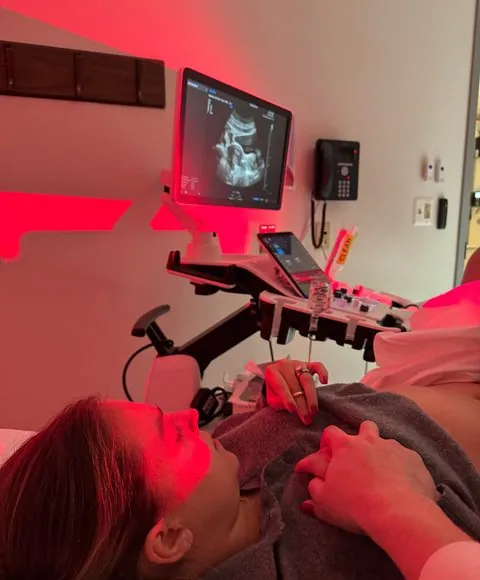
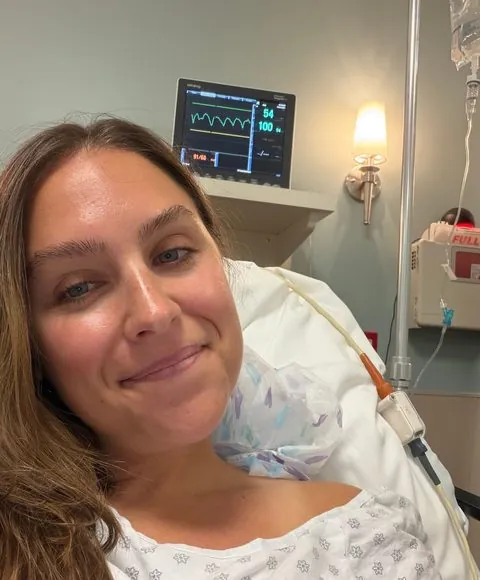
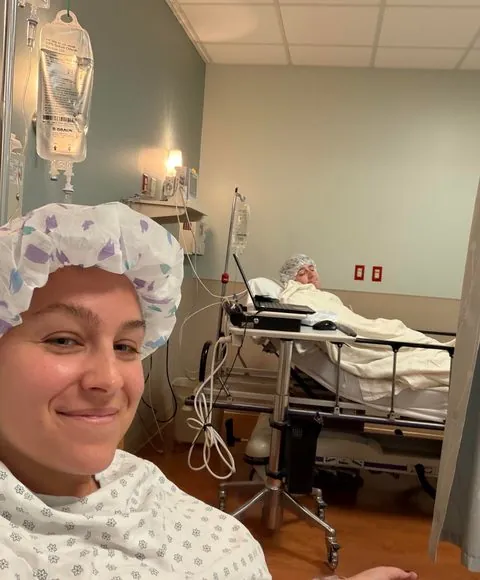
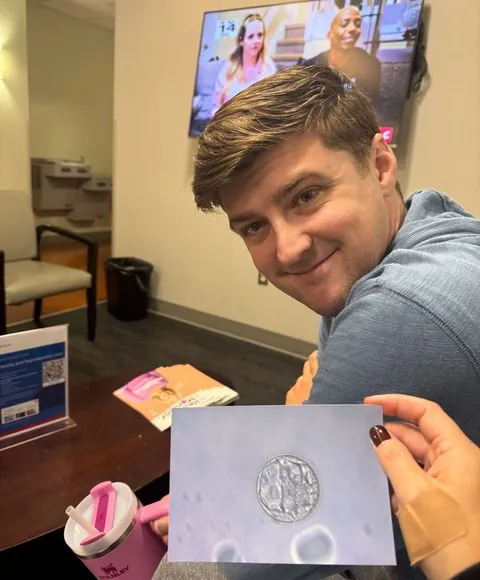
Cystic Fibrosis is a progressive, life-threatening genetic disease that affects the lungs and digestive system.
Over the past decade, breakthrough treatments have transformed CF care, and many people are now living longer, healthier lives, and starting families of their own. A lesser-known side effect is male infertility, which affects most men with Cystic Fibrosis, and even some carriers who never develop the disease themselves.
For Cystic Fibrosis couples, IVF is often the path to parenthood.
More people with Cystic Fibrosis are living healthy lives and starting families than ever before. Still, most insurance doesn’t cover fertility treatment at all, and the journey is expensive, often taking more than one cycle to have a child.
A fund that lives on.
Our founding goal is $1,000,000, enough to help dozens of Cystic Fibrosis couples afford IVF and build the programs our community needs. Every dollar raised goes directly toward that work, and this is just the beginning of what we hope to build.
Help us fund the first family.
Donate →
The Fox Family Foundation is a 501(c)(3) organization (EIN 30-1492395). Contributions are tax-deductible.